
Wellness Guide – Popup quiz bespoke wellness

Plan Your Perfect Bali Vacation Now After Know the Indonesian Words!

Planning to visit Bali? To truly experience Bali’s magic, knowing a bit of the local language can make all the difference. While many Balinese people speak English, adding learn Balinese and Indonesian in a simple ways to your pre-travel checklist is a must-try.

Learning a local language might help you connect more intimately with the culture and cope with daily difficulties. Language difficulties might be scary, but do not fear. Read this guide to prepare yourself!

A Quick Overview of Language Used in Bali

When you visit Bali, you’ll find a unique blend of languages that reflect Bali’s rich heritage and modernity. Bali is a multilingual island, where three main languages dominate daily life: Bahasa Indonesia, Balinese (Basa Bali), and English.

Bahasa Indonesia is the official language of Indonesia and is used throughout the country, including Bali. It’s the language of education, government, and formal settings. Travelers may learn Indonesian easily since it employs the Latin alphabet and simple grammar.

Meanwhile, the Balinese language is a traditional language. Locals speak it regularly and use it in religious rites. Balinese has a complicated structure with three speech levels—low, medium, and high—depending on caste and social situation, unlike Indonesian.

Why You Need to Learn the Local Language?

While English is frequently spoken in tourist areas, learning the native languages can enhance your trip and help you connect with the island.

First, trying easy ways to overcome language barriers in Bali shows respect for the locals. Locals appreciate the effort, and embracing their culture will improve your trip.

Knowing basic words makes ordering meals, asking for directions, and shopping in local markets easier. Most importantly,  mastering the local language lets you experience Bali’s rich cultural tapestry in rural regions, where English is less common.

Tips and Tricks: How to Learn Balinese and Indonesian in a Simple Ways

Now, let’s explore some tips and tricks to learn local languages in Bali effortlessly and make your travel more memorable:

1.     Start with Greetings

Greeting people at the start of a talk makes a good first impression and sets a polite tone. So, greetings are the first step in being polite and nice.

Saying hello in their language shows that you care about their culture and are willing to work at it, whether you’re meeting people in a market, a restaurant, or a ceremony. A small action can make a big difference.

Many people use and like the words “Selamat pagi” (Good morning) and “Selamat sore” (Good evening) in Indonesian. Balinese people also say “Om Swastiastu” to meet each other, which is a traditional way to say “hello” and send benefits.

2.     Remember Polite Phrases

Please keep in mind that being polite is very important in both Indonesian and Balinese cultures. Thank-you words like “Terima kasih” and “Suksma” (thank you in Balinese) can mean a lot. You need to know how to say “Maaf” (Sorry) if you need to say sorry or explain yourself.

These nice words will not only make your conversations go more smoothly, but they will also show that you understand other cultures. For example, adding “Tolong” (Please) to your request for help or directions makes it sound nicer and more polite.

3.     Practice Common Questions

Common inquiries in Bahasa Indonesia might be very helpful when you are traveling around Bali. Asking “Toilet di mana?” (Where is the toilet?) or “Berapa harganya?” for instance (How much is the price?) will enable you to easily negotiate everyday contacts.

Particularly in less traveled-through Balinese places, queries like “Tiang rarisang?” (might you assist me?) might be life savers. Practicing these lines ahead of time can help your vacation be much more fun and hassle-free.

4.     Try with Locals

The best way to learn any language is by speaking it with native speakers. Balinese locals are generally friendly and encouraging when visitors attempt their language. So, don’t be afraid to try phrases like “Apa kabar?” (How are you?) in Indonesian or “Rahajeng semeng” (Good morning) in Balinese.

5.     Join a Workshop

For a deeper understanding to learn Balinese and Indonesian in a simple ways, consider joining a language workshop.

Many cultural centers and local communities in Bali offer short courses that cover both languages for tourists. So, you may meet other travelers who share the same interest in Bali’s culture and language.

Easy Ways to Overcome Language Barriers in Bali!

If you still find the local languages difficult to learn, there are some simple yet effective ways to bridge the gap and enjoy your Bali adventure to the fullest, such as:

1.     Body Language

When words fail, your body can speak for you. Hand gestures, facial expressions, and pointing are universal ways to communicate. For instance, when ordering meals or getting instructions, pointing to a menu or map might assist.

Balinese locals are generally very understanding and friendly, so don’t hesitate to use gestures to clarify your needs. A smile goes a long way too—it shows friendliness and breaks down communication barriers instantly.

2.     Write it Down

Sometimes, writing things down is more effective than speaking. If you’re struggling with pronunciation, jot down the name of your destination, food, or any specific item you’re looking for.

Showing the written word to a local can save you from confusion, especially in busy areas like markets or taxi stands. Having a small notebook or using your phone’s notes app can be a lifesaver during your trip.

3.     Use Translation Apps

These days, your greatest travel buddy is often technology. For getting around language barriers, apps like Google Translate are very helpful.

These tools are especially useful for understanding signs, menus, or complex conversations. Just keep in mind to download the required language packs offline before visiting distant locations with perhaps restricted internet connection.

4.     Hire a Local Guide

To make things go more smoothly, you might want to hire a local guide to help with translation and give you information about Balinese culture, traditions, and secret gems. They can help you find your way around shops, order food, and even haggle over prices.

Plus, having a guide makes your trip feel more like you. If you want to connect with locals more deeply, they can teach you simple words in Balinese or Indonesian.

Now that you know easy ways to overcome language barriers in Bali, it’s time to plan your trip here. Also, don’t forget to take your adventure to the next level by booking a Wellness Retreat with us at One Fit Wellness!
Tips and Tools to Maximize Your Health While Traveling

Have you ever felt significant fatigue or mentally exhausted? Those might be signs that you need a long break, such as traveling. However, it is also important to prioritize health during your travels.

The reason is that because of the excitement of exploring new places, it’s easy to overlook the importance of taking care of your body. So, whether you’re embarking on a cross-country adventure or jetting off to a tropical paradise like Bali, it’s essential to always stay healthy.

Tips: How to Maximize Your Health While Traveling

If you’re not careful, traveling can take a toll on your health. There are some useful tips to help you stay healthy and happy throughout your journey.

They are starting from getting to the right mindset (relax and calm down before excitement), avoid alcohol and caffeine, block out noise and light, dress appropriately (no tight clothing), stay hydrated, get up and move around. Below are the details:

1.     Having a Quality Sleep or Nap

It’s no secret that sleep is crucial. Sleep helps the body recharge, repair itself, and sharpen focus. Not only things mentioned, it also ensures you’re energized and ready to seize the day’s adventures during your travels. It is well known that getting 7-9 hours of sleep per night can significantly boost your immune system.

However, many of us don’t get sleep, especially while traveling. Usually, it is due to jet lag. As a solution, before your trip, start gradually adjusting your sleep pattern to match your destination’s time zone.

Bringing along travel essentials like pillows or eye masks can also help create a familiar sleep environment, ensuring you get the rest you need, even on long flights. So you can have a quality sleep or nap.

2.     Getting to the Right Mindset (Relax and Calm Down Before Excitement)

Well, you are right that it’s no secret that sleep is crucial. But, not only sleep, getting the right mindset is an important thing to do.

So, next tips, before you embark on your journey, take a moment to relax and calm your nerves. Traveling can be exhilarating, but it’s essential to manage stress levels for optimal health.

Try to practice mindfulness techniques like deep breathing or meditation to center yourself before the excitement sets in. Maintaining a calm mindset can help your body adjust to new environments more effectively.

3.     Avoid Alcohol and Caffeine

Many of us don’t get sleep, especially while traveling, but alcohol and caffeine. While it might be tempting to indulge in a cocktail or cup of coffee during your travels, it’s best to avoid alcohol and caffeine, especially during long flights.

Both substances can dehydrate your body and disrupt your sleep patterns, leaving you feeling fatigued and jet-lagged. Instead, opt for water or herbal tea to stay hydrated and refreshed throughout your trip.

4.     Block Out Noise and Light

From the first point mentioned above, it is clear that sleep helps the body recharge, repair itself, and sharpen focus. However, sometimes unfamiliar surroundings or different climates in a new country or region can disrupt your sleep quality.

So, how to maximize sleep while traveling? The answer is to block out disruptive noise and light by using earplugs and a sleep mask.

These simple yet effective tools can help you achieve deeper, more restorative sleep, even in an unfamiliar environment.

5.     Dress Appropriately (No Tight Clothing)

Not only think about how to maximize sleep while traveling, you must know that comfort is key when it comes to travel attire. It is highly recommended to avoid tight clothing that restricts movement and circulation, as it can lead to discomfort and even health issues.

Opt for loose, breathable fabrics that allow your skin to breathe and keep you cool during long journeys. Remember, your health and well-being should always take priority, even when it comes to fashion choices.

6.     Stay Hydrated

One of the most crucial aspects of staying healthy while traveling is staying hydrated. Dehydration can lead to higher body temperature, affecting heart rate, blood pressure, energy levels, and even more severe complications like cramps and headaches.

Thus, be sure to drink plenty of water throughout your journey, and avoid sugary or caffeinated beverages that can dehydrate your body. Not only does your body stay hydrated, consuming enough water can keep your mind at ease.

7.     Get Up and Move Around

Sitting for extended periods during travel can increase the risk of blood clots and stiffness. Combat the negative effects of prolonged sitting by getting up and moving regularly.

Try to take short walks around the cabin during flights, stretch your legs at rest stops during road trips, and explore your destination on foot whenever possible. These movements will improve circulation and prevent discomfort.

So, don’t be afraid to stretch your legs and get moving. It’s the key to staying healthy and happy on the journey while keeping your mind at ease.


Tools to Help Maximize Your Health During Traveling

Traveling is an exciting adventure, but it’s essential to prioritize your health along the way. By utilizing various tools and strategies, you can maximize your well-being, mentally connects to inner peace, and ensure a smooth journey. Let’s delve into some key tools to help you stay healthy while traveling.

●       Basic First Aid Kit

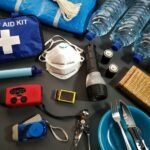
A basic first aid kit is a crucial companion for any traveler. It should include essentials such as band-aids, antiseptic wipes, scissors, and pain relievers. These items can come in handy for treating minor injuries or ailments that may arise during your trip.

So, always pack a first aid kit to ensure that you’re prepared for any unexpected health issues and can address them promptly, allowing you to enjoy your travels with peace of mind.

●       Hand Sanitizer and Disinfecting Wipes

It is true that the COVID-19 pandemic has ended, but maintaining good hygiene is still crucial to staying healthy, especially while traveling. Hand sanitizer and disinfecting are must-bring items in crowded or unfamiliar environments.

Look for hand sanitizers with at least 60% alcohol content, as recommended by health experts. Regularly sanitizing your hands and frequently touched surfaces can help prevent the spread of illness and reduce your risk of infections.

●       Balanced Foods

Good foods affect your physical condition, and it also mentally connects to inner peace. So, eating a balanced diet is essential for fueling your body and maintaining optimal health during travels.

Pack nutritious snacks like nuts, dried fruits, or granola bars to keep hunger at bay while on the go. Then, when dining out, opt for wholesome meals with plenty of vegetables, lean proteins, and whole grains.

●       Supplements

Incorporating supplements into your travel routine can provide an extra boost to your immune system and overall well-being. Consult with your healthcare provider before departure to determine which supplements are suitable for you.

Common options include multivitamins, probiotics, and vitamin C, which can help support your immune system. Additionally, consider packing any prescription medications you may need for the duration of your trip.

Traveling should be a rewarding and enjoyable experience, and prioritizing your health can help ensure that you make the most of your adventures. If you need a trip full of recharge, why not consider joining us at One Fit Wellness in Bali?

We have a Wellness Retreats package to help you relax and enjoy new surroundings. You can have a walk, do physical activities, and even try massaging to relieve your jet lag and reduce significant fatigue.

Wellness Tools Selection

Gentle companions to your journey—always explorations, never medical advice.

These tools are designed for curiosity and reflection,offering simple ways to pause,notice, and reconnect. They are not diagnostic or therapeutic tools.

4-7-8 Breathing

A powerful, simple breathing technique renowned for its ability to quickly calm the nervous system. Master the 4-7-8 count to reduce anxiety, combat stress, and prepare your body for a deep, restful sleep.

Box Breathing

Also known as square breathing, this technique is a cornerstone of mindfulness for achieving balance and focus. Its simple four-step rhythm helps regulate breath, reduce anxiety, and sharpen mental clarity.

Alternate Nostril Breathing

A traditional yogic practice to harmonize the body's energy channels. Alternate Nostril Breathing is excellent for reducing stress, calming the mind, and balancing the left and right hemispheres of the brain for improved focus.

Diaphragmatic Breathing

Learn to breathe from your belly with this foundational technique. Diaphragmatic breathing strengthens the diaphragm, significantly reduces stress, and improves oxygen exchange for better lung health and relaxation.

Lion’s Breath

A cathartic practice that powerfully releases facial and chest tension. Lion's Breath is an excellent way to relieve stress, shake off inhibitions, and experience an immediate sense of calm and energetic release.

Panic Attack

A cathartic practice that powerfully releases facial and chest tension. Lion's Breath is an excellent way to relieve stress, shake off inhibitions, and experience an immediate sense of calm and energetic release.

Preparing your breathing exercise...

Enquiry