Sample Page

Take a Break! Why It’s Important?

Take a Break! Why It’s Important?

In this busy world, taking a break from work might seem like a luxury few can afford. However, taking breaks from work is actually very essential for maintaining a healthy work-life balance. It also affects human mental and physical health positively.

Imagine this: you’re feeling overwhelmed, your productivity is plummeting, and stress is taking its toll on your health. In this case, a simple act of stepping away from your desk could transform your well-being and work efficiency.

Having a Break from Work is Important, Here are the Reasons

From creating a positive work environment to reducing the risk of burnout, breaks are more than just moments of rest—they’re essential for thriving in both personal and professional life. Now, let’s explore why taking time off is crucial for you:

●       Improved Productivity

One of the most significant benefits of taking regular breaks from work is the boost in productivity. When employees step away from their tasks, they return with a clearer mind and enhanced focus.

As proof, a study highlighted that informal microbreaks, such as a few minutes spent relaxing or engaging in social activities, lead to improved mood and job performance. So, of course, longer breaks, such as vacations, also play a crucial role in productivity.

When employees take extended time off, they have the opportunity to fully rest and recharge. This rest period helps clear the mental fog and allows individuals to return to work with renewed energy and focus.

This, in turn, translates into higher-quality work and increased output. A well-rested employee is more capable of handling tasks efficiently and effectively, benefiting both the individual and the company.

●       Better Mental Health

Another reason why having a break from work is important is to achieve a better mental health state. Continuous work without adequate rest can lead to high levels of stress, anxiety, and even depression.

Regular time off helps in reducing these mental health issues by providing an opportunity to relax and unwind. It allows employees to focus on activities that promote relaxation and stress relief.

When employees are constantly connected to work, even during off-hours, it can lead to chronic stress. On the other hand, research has shown that taking vacations reduces stress, depression, and anxiety.

A study found that women who took vacations only once every six years were 97% more likely to suffer from depression compared to those who took vacations twice or more per year.

Therefore, taking regular vacations can be a crucial strategy for maintaining your mental health in the long term.

●       Enhanced Physical Health

Physical health also benefits significantly from taking breaks from work. Chronic stress, often resulting from overworking, can lead to a weakened immune system, making individuals more susceptible to illnesses.

And talking about vacation, it provides an extended period for physical recovery and rejuvenation. Being away from work-related stressors allows the body to rest and recover fully.

Regular time off helps in reducing stress levels, thereby boosting the immune system and improving overall health. This reduction in stress can lead to fewer sickness absences, which is beneficial for both employee and employer’s life.

Moreover, continuous stress can contribute to serious health issues such as high blood pressure, heart disease, and gastrointestinal problems. So, taking breaks will help employees interrupt the cycle of stress and prevent these health problems.

●       Increased Creativity

Aside from increasing mental and physical health, creativity often thrives when the mind is given the space to wander and relax. It is because continuous work can stifle creativity, leading to a mental block or lack of innovative ideas.

When employees rest and step away from their tasks, they allow their subconscious mind to process information and generate new ideas. This can lead to increased creativity and innovation when they return to work.

For greater benefits, you may try extended breaks, such as vacations or retreats. Being in a new environment, experiencing different cultures, and breaking away from the daily routine can inspire new perspectives and ideas.

This creative boost can be incredibly valuable in both personal and professional settings, leading to more innovative solutions and a greater sense of fulfillment.

●       Better Work-Life Balance

Achieving a healthy work-life balance is one of the most compelling reasons to take regular breaks from work. A well-balanced being allows individuals to excel in their lives.

The reason is that regular breaks ensure that work doesn’t consume all of one’s time and energy, leaving room for family, hobbies, and personal growth. This balance is crucial for maintaining mental health and overall well-being.

Also, employees who take time off are more likely to enjoy their jobs and feel less resentment towards their employers. When individuals can separate work from personal time, they experience less stress and burnout.

During retreats, they can engage in activities that bring joy and relaxation, which in turn makes them more motivated and productive when they return to work. This balance also helps in maintaining long-term career satisfaction and company loyalty.

●       Reduced Risk of Burnout

Have you heard of or even experienced burnout? Burnout is a significant issue in today’s fast-paced work culture. It occurs when employees are overwhelmed by continuous work pressure without adequate rest.

Early signs of burnout include fatigue, cynicism, and reduced performance. You may prevent those signs by taking regular breaks. Breaks allow the mind and body to recover from the demands of work.

When employees can rest and recharge, they return with renewed energy and focus. For example, a quick walk or a short meditation session can significantly boost mood and cognitive function.

Furthermore, longer breaks, such as vacations, provide an opportunity for deep rest and recuperation. When you come back to the job routine, you will be more motivated and ready to tackle challenges, leading to better performance and job satisfaction.

As a takeaway, taking breaks from work is essential for your overall health, productivity, creativity, and personal growth. Whether it’s short breaks throughout the day, weekends free from work, or longer vacations, all play a crucial role in maintaining a healthy well-being.

Now, if you’re looking for the perfect way to unwind and recharge, consider a Wellness Retreats with us at One Fit Wellness in Bali.

Prioritizing time off is not only beneficial for employees but also for employers, as it leads to a more productive, healthy, and creative workforce. Our retreats are designed to help you relax, rejuvenate, and return to your daily life feeling refreshed. Book your escape today!

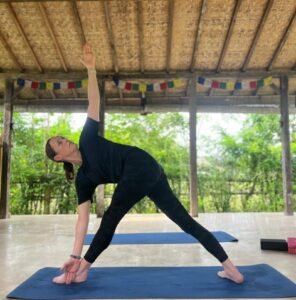
 

Which Type of Meditation is Right for You?

In a bustling world,  finding moments of calmness and inner harmony is essential for personal growth and overall well-being. One way to achieve this is through meditation, a practice that has been embraced across cultures and religions for centuries.

Meditation is a practice where an individual trains their mind to focus and redirect their thoughts. It can involve various techniques. Many people use it as a tool for reducing stress, improving concentration, and enhancing overall health.

Best Types of Meditation for Mental and Physical Health

Meditation comes in many forms, each offering unique benefits and experiences. Here are some of the most popular types you can try:

1.     Mindfulness Meditation

Mindfulness meditation is a widely practiced form of meditation that originates from Buddhist teachings and has gained popularity in the West. This technique revolves around the simple act of paying attention to the present moment without judgment.

To begin practicing this technique, find a comfortable position and focus your attention on your breath or a specific object.

As thoughts arise, acknowledge them without getting caught up in them, and gently bring your focus back to the present moment.

This form of meditation is beneficial for enhancing self-awareness, reducing stress, and promoting emotional well-being.

2.     Spiritual Meditation

Are you seeking a deeper connection with your inner self and the world around you? Spiritual meditation might just be the path you’ve been searching for.

This is a practice embraced by various religious and spiritual traditions. It goes beyond the confines of specific faiths, inviting individuals to explore their innermost being and connect with the divine, however they perceive it.

Regardless of your faith or belief system, embarking on this practice can illuminate your path to a more fulfilling life.

3.     Focused Meditation

Also known as concentration meditation, this is a mindfulness practice that involves directing our attention to a single point of focus. It encourages individuals to concentrate exclusively on the present moment and the task at hand.

Unlike multitasking, which divides our attention among several activities, focused meditation emphasizes the importance of undivided attention.

By immersing ourselves fully in the present activity, whether it’s drinking tea or engaging in physical exercise, we cultivate a deeper sense of awareness and clarity.

It reminds us that it’s never too late to start cultivating mindfulness and building small habits that contribute to our overall well-being.

4.     Movement Meditation

Are you someone who finds peace in movement? If so, you might be interested in exploring this technique. Unlike seated practices, movement meditation integrates mindfulness with physical activity, such as yoga, or tai chi.

By synchronizing movement with breath awareness, practitioners deepen the body-mind connection and promote relaxation. Movement meditation also accommodates diverse preferences and fosters holistic well-being.

Incorporating this practice into your daily routine doesn’t have to be daunting. Remember, it’s about embracing small, intentional habits that nurture both your mental and physical health.

So, instead of sitting in silence, you can cultivate awareness and presence through activities like walking or even gardening.

5.     Mantra Meditation

Mantra meditation is a technique rooted in ancient traditions. It involves the repetition of a word, phrase, or sound to help clear the mind and foster deeper awareness.

The most common mantra is “om,” but you can choose any word or phrase that resonates with you.

The beauty of this technique lies in its simplicity. You can practice it anywhere, anytime, making it accessible, especially if you are a busy individual seeking moments of tranquility in day-to-day life.

6.     Transcendental Meditation (TM)

TM is a specific technique designed to quiet the mind and induce a state of calm and peace. It was founded by Maharishi Mahesh Yogi and has been studied extensively in the scientific community.

What sets TM apart is its simplicity and accessibility. Unlike some meditation practices that require intricate rituals or deep understanding, TM offers a straightforward approach that anyone can learn.

During TM, practitioners use a mantra—a specific word or sound—to focus their attention and transcend ordinary thinking. This allows them to tap into deeper levels of consciousness and experience profound relaxation.

7.     Progressive Relaxation

Learning to build small habits into one’s routine, such as dedicating a few minutes each day to progressive relaxation, can gradually build a foundation of inner calm and mental clarity.

Unlike other forms of meditation that focus on the mind, progressive relaxation targets the body’s muscles and aims to release built-up stress and tightness.

Also known as body scan meditation, this technique alleviates tension by systematically relaxing muscle groups.

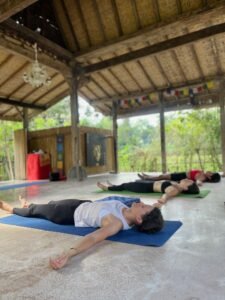
This process helps individuals become more aware of tension they may not even realize they’re holding onto. By consciously relaxing each muscle group, from head to toe, one can experience a profound sense of physical and mental relief.

8.     Loving-Kindness Meditation

If you’re seeking a practice that fosters compassion and acceptance, loving-kindness meditation might just be the perfect fit for you.

This kind of meditation, also known as Metta meditation, is all about cultivating positive emotions including warmth, compassion, and benevolence towards oneself as well as others.

By generating feelings of goodwill and connection, practitioners enhance emotional resilience and interpersonal relationships.

So, this practice can help you build small habits of kindness and compassion that ripple outward, bringing positivity to those around you.

9.     Visualization Meditation

This is a powerful technique aimed at enhancing feelings of relaxation, peace, and calmness by creating vivid mental images.

In visualization meditation, practitioners are encouraged to imagine scenes, landscapes, or scenarios that evoke positive emotions and sensations.

These mental images are often accompanied by deep breathing and mindfulness practices to deepen the meditative experience. By visualizing peaceful scenes or desired outcomes, you can reduce stress and enhance optimism.

Choosing the Right Meditation Style for You

It’s never too late to start incorporating meditation into your daily routine. Whether you seek stress relief, spiritual growth, or improved focus, there’s a meditation practice suited to you.

For example, if you’re drawn to spiritual exploration and self-reflection, consider trying spiritual or mindfulness meditation. Meanwhile, for those seeking physical movement and body awareness, movement meditation or yoga may be beneficial

Experimenting with different techniques and seeking guidance from meditation teachers can help you discover the practice that resonates with you.

At One Fit Wellness Bali, we understand the importance of holistic well-being for your personal growth. Ready to embark on a journey of self-discovery and wellness? Explore our Wellness Retreats now!

What is Meditation? And the Benefits

Have you ever wanted a break from the busy world around you? Imagine a practice that helps you find peace and emotional stability. That’s what meditation is. It’s also usually known as contemplation or reflection.

It’s not about changing who you are, but about understanding yourself better. Because in today’s world, finding moments of calm and clarity can seem like a luxury. So, how can this practice benefit you? Let’s explore its myriad advantages here!

Understanding Meditation: What’s It All About?

At its core, this practice is about being present and fully engaged with the here and now.  It’s a skill that anyone can develop, regardless of religious or spiritual beliefs.

Picture yourself sitting comfortably, focusing on your breath or a calming mantra, gently observing your thoughts without judgment. That’s meditating.

The benefits of this practice are profound and backed by science. From reducing stress and anxiety to improving sleep patterns and cognitive function, its positive effects are far-reaching.

All in all, it’s a harmonious blend of wellness and relaxation, a holistic experience that nourishes both body and soul.

What Are the Benefits?

As mentioned before, the benefits of this activity extend far beyond stress reduction, though that’s often the initial draw for many practitioners. Research reveals a wealth of advantages associated with regular meditating practice, such as:

1.     Stress Reduction and Anxiety Control

Feeling overwhelmed by stress and anxiety? Relaxation might just be the antidote you need, especially if you do it during holiday.

Studies have shown that relaxation through contemplation or reflection can significantly reduce levels of stress and anxiety. By practicing mindfulness, you learn to observe your thoughts and emotions without judgment.

This simple act of awareness can help break the cycle of stress and prevent it from spiraling out of control. With just a few minutes of practice each day, you can cultivate a sense of peace and serenity that will carry you through life’s storms.

2.     Emotional Well-being

Emotional well-being is a crucial aspect of our overall health and happiness. It encompasses our ability to understand, manage, and express our emotions in a healthy and constructive manner.

Meditating plays a significant role in nurturing emotional well-being by providing tools and techniques to cultivate mindfulness and self-awareness.

Through regular practice on weekdays or holidays, it helps individuals develop a deeper understanding of their emotions and how they influence thoughts and behaviors. To maximize this effect, you can try meditating while having a vacation, for example in Bali.

3.     Improved Concentration and Attention Span

Enhancing concentration and attention span is a common goal for many individuals seeking to optimize their mental faculties. Fortunately, various reflection or contemplation techniques offer valuable strategies to achieve this objective.

These habitual practices train the mind to focus and redirect thoughts. Through consistent reflection, individuals can strengthen their ability to concentrate on tasks and sustain attention over extended periods.

For example, even short daily sessions of meditating practices like yoga have been shown to yield noticeable improvements in attention and memory over time.

4.     Enhanced Sleep Quality

Furthermore, enhanced sleep quality is one of the many benefits of meditating. When we practice regularly, it can help us relax our minds and bodies, making it easier to fall asleep and stay asleep throughout the night.

It is because, during this practice, we learn to focus our attention on the present moment, letting go of racing thoughts and worries that often keep us awake at night.

This mindfulness practice trains our minds to let go of stressors and distractions, allowing us to enter a state of deep relaxation conducive to restful sleep.

Moreover, meditating helps regulate breathing patterns, lowers heart rate, and reduces muscle tension, all of which contribute to a more relaxed state conducive to falling asleep faster and enjoying uninterrupted sleep throughout the night.

5.     Pain Management

By focusing the mind and adopting specific breathing techniques through meditating, individuals can learn to better cope with discomfort and reduce the intensity of their pain.

One of the most popular meditating practices is yoga. As a form of physical and mental exercise, it is often integrated into pain management strategies due to its ability to promote flexibility, strength, and relaxation.

Through the poses, individuals can stretch and strengthen muscles, improving overall body function and easing tension that contributes to pain.

6.     Promotes Kindness and Compassion

By focusing on loving-kindness meditating practice, people learn to generate positive feelings and actions, starting from within and extending outward to the world around them.

This form encourages individuals to develop a genuine sense of care and understanding for themselves and those around them. To concentrate more, try to do it in a calming landscape, surrounded by nature.

As one delves deeper into their practice, they may notice a natural inclination towards acts of kindness and compassion in their daily interactions.

7.     Addiction Recovery Support

Are you or someone you know struggling with addiction? Seeking support in the journey to recovery can be a challenging but transformative process.

Fortunately, meditating offers a valuable avenue of support in addiction recovery, fostering wellness in mind and body.

With its diverse forms and practices, meditating has been shown to aid individuals in overcoming addictive behaviors.

By training the mind to focus and redirect thoughts, meditation helps individuals become more aware of their triggers and cravings. This heightened self-awareness is a crucial step in breaking free from the cycle of addiction.

8.     Brain Health and Aging

As we navigate through life, our brains undergo changes, and maintaining cognitive health becomes increasingly important. Meditating, contemplating, or reflecting emerges as a powerful tool in this journey.

One significant advantage is its ability to enhance brain health, a keyword in understanding the nature of aging.

Meditating, whether it’s mindfulness, focused-attention, or mantra meditating technique,  stimulates various areas of the brain, promoting neural connections and increasing brain tissue density.

These changes contribute to improved cognitive functions such as memory, attention span, and problem-solving abilities.

9.     Heart Health

As explained before, meditating aids in reducing stress and anxiety levels, which are notorious for contributing to heart problems.

By practicing mindfulness or focused-attention practices, individuals can effectively manage stressors, leading to lower blood pressure and reduced strain on the heart.

Furthermore, this activity encourages relaxation and tranquility, creating a conducive environment for the heart to function optimally.

So, why not take a moment today to prioritize your health and embark on a meditating journey? You can try it while enjoying your moment with us at One Fit Wellness Bali. Reach your emotional stability with our Wellness Retreats!

A OneFitWellness Retreat Guide to Find Your Balance in Ubud, Bali

Ever find yourself overwhelmed by the options when planning a Bali getaway? You could hit the waves in Bukit or seek tranquility in the highlands of Bedugul. But let’s talk about Ubud for a second.

It’s a destination that’s rich in self-care experiences. From its lush, picture-perfect rice fields to its deeply rooted traditions, this town is a destination that promises not just a change of scenery but a change of pace and maybe even a change of heart. So, if you want to rediscover what makes you tick, find it in this town!

5 Reasons Why Ubud is the Heart of Wellness in Bali

The town offers a unique blend of natural beauty, cultural richness, and a focus on holistic health, making it the heart of wellness. There are five specific reasons why Ubud is Bali’s heart of wellness:

●  Nature’s Haven

Surrounded by lush forests, rice fields, and rivers, the natural setting is perfect for activities like yoga and meditation. OneFitWellness, for example, offers light trekking where you can explore the place’s natural beauty, passing through scenic views and traditional homes.

●  Cultural Immersion

This is a cultural hub where you can engage in traditional practices like Melukat, a spiritual cleansing ritual. This ceremony involves immersing yourself in holy water, symbolizing the cleansing of impurities and negative emotions.

Thus, it enhances your spiritual connection. This is not just a touristy thing to do but a way to connect deeply with Balinese culture and spirituality. You’ll also find activities like making Balinese Canang Sari, a daily offering made to the Gods, which adds another layer to your cultural immersion.

●  Easy Accessibility

Despite its somewhat secluded feel, getting to Ubud is pretty straightforward. It’s easily accessible by car, and OneFitWellness offers stress-free transportation options, including airport transfers and private drivers.

This means you can focus solely on your wellness journey without worrying about navigating unfamiliar roads. The convenience of getting to and around the town makes it a top choice for those looking to escape without the hassle.

●  Community of Like-Minded Individuals

Ubud has a way of attracting a diverse but like-minded crowd. You’ll find everyone from yogis and wellness enthusiasts to expats and digital nomads. It’s a community that values balance, wellness, and a deeper connection to life.

This makes it easier to meet people who share your interests and can even introduce you to new perspectives on wellness. It’s like being part of a wellness-focused community, even if it’s just for a short time.

●  Holistic Health

This town is a mecca for anyone interested in a holistic approach to health. The retreat offers a range of activities that cater to different interests, from cycling adventures to Balinese dance lessons.

You can also indulge in massage therapy, an effective way to unwind and restore balance to your body, mind, and spirit. The focus here is your mental and physical health. It’s a comprehensive approach to wellness that you’ll be hard-pressed to find elsewhere.

How to Make the Most of Your Retreat?

Making the most of your retreat involves a mix of preparation and presence. Learn the following tips to have a transformative experience.

●  Arrive Early

Getting to your retreat location a bit ahead of schedule gives you time to settle in, explore the surroundings, and get used to the new environment. We recommend arriving early to acclimate and make the most of your experience. This way, you’re not rushing into activities and can start your wellness journey on a relaxed note.

●  Set Clear Goals

Before you even step foot in Ubud, it’s good to have a clear idea of what you want to achieve. Are you looking for spiritual growth, physical fitness, or mental clarity? Various wellness retreats offer a range of activities that can align with your goals. Knowing what you want helps you choose the right activities and get the most out of your stay.

●  Be Open-minded

A retreat is a perfect opportunity to try new things and step out of your comfort zone. So, be open-minded, especially when participating in traditional practices. Being open to new experiences enriches your retreat and could lead to unexpected, positive changes in your life.

●  Balance Your Time

While it’s tempting to pack your schedule with back-to-back activities, it’s essential to find a balance, including downtime for reflection or simply enjoying the town’s natural beauty. A well-balanced schedule ensures you’re not overwhelmed and have time to process your experiences.

●  Listen to Your Inner Voice

During your retreat, you’ll have moments of quiet and solitude, which are perfect for tuning into your inner voice. Do some meditation sessions to help you focus on your thoughts, emotions, and sensations.

●  Disconnect to Reconnect

These days, it’s easy to get caught up in the constant flow of information. That’s why we recommend limiting device usage during your stay. Disconnecting from the digital world allows you to reconnect with yourself and be fully present in the activities and experiences offered.

●  Trust the Process

Finally, it’s crucial to trust the process and the experts guiding you through it. Professional guides can offer insights into Balinese culture and history, making your journey more meaningful. Trusting the process means letting go of control a bit and allowing the experience to unfold naturally.

Why OneFitWellness Bali’s Retreats is More Than Just a Vacation

Unlike typical holidays that focus on leisure and entertainment, OneFitWellness Bali aims to rejuvenate your mind, body, and spirit. It’s a holistic approach to well-being that you won’t find in most retreat packages.

OneFitWellness sets itself apart by offering a range of diverse activities tailored to your interests. You’re not limited to standard tourist fare. Instead, you can engage in light trekking through scenic landscapes, participate in Balinese dance lessons, or even learn the art of making Balinese Canang Sari, a daily offering to the Gods.

Another unique aspect is the focus on cultural immersion. OneFitWellness offers guided Melukat experiences, a traditional Balinese purification ceremony. We also take care of all the practical details, from stress-free transportation options like airport transfers to luxurious accommodations ranging from Premiere Rooms to Lagoon Pool Villas.

So, if you want to take the first step towards a more balanced life today, discover more about our services that are waiting to make your journey unforgettable!

Kindness and Truthfulness: Can You Really Have Both?

You know that awkward moment when you have to choose between being brutally honest or sparing someone’s feelings? It’s like standing on a tightrope between two endpoints, kindness or truthfulness. Yet, neither feels like a win-win.

You either end up feeling like the bad guy for being too blunt or like you’re not being true to yourself by holding back. But here’s the thing: it’s entirely possible to be both without compromising either, and it can make a world of difference in your day-to-day interactions.

Why Do We Appreciate Someone Being Truthful?

Truthfulness is one of those things that’s easy to overlook until it’s missing. So why do we value it so much? There are some pretty solid reasons, and they go beyond just “it’s the right thing to do.”

●  Trust is the Foundation

When someone is honest, it’s like they’re laying down bricks of trust. Every honest interaction adds another layer, making the foundation of your relationship stronger. Without trust, any relationship is on shaky ground.

●  Real Connections

No filters, no pretense. Truthfulness paves the way for open conversations. This kind of openness sometimes invites the other person to do the same, leading to a more genuine relationship.

●  Clears Up Confusion

Ever been in a situation where something felt off, but you couldn’t put your finger on it? Truthfulness clears up that fog. It’s like turning on a light in a dark room.

You see things for what they are, and that clarity can resolve a lot of issues, from misunderstandings to full-blown arguments.

●  Room for Growth

This one might surprise you. Being truthful can actually help you grow as a person, especially when someone is honest about your strengths and areas for improvement.

●  Emotional Safety Net

When you know someone is being upfront with you, it creates a safe space for you to be upfront too. This mutual honesty builds a kind of emotional safety net that makes it easier to tackle difficult topics or share personal things.

●  Stress Be Gone

Not knowing if someone is being honest is stressful. On the flip side, consistent truthfulness removes that stress. You know where you stand, and that certainty is like a breath of fresh air.

The Role of Kindness in Honesty

You might think that being kind and honest is like oil and water, but they can actually mix pretty well. Here’s how:

●  Softening the Blow

Kindness can soften the blow of a harsh truth. Imagine telling someone they have spinach in their teeth. You could just blurt it out, or you could be kind about it and save them some embarrassment.

●  Emotional Intelligence

When you’re kind, you’re more aware of how the other person might feel about the truth you’re sharing. This awareness allows you to frame your honesty in a way that’s considerate of their feelings.

●  Enhances Well-being

Being kind while being honest can actually boost your own well-being. Acts of kindness are linked to increased feelings of happiness and even changes in brain chemistry associated with well-being. So, it’s not just good for the other person; it’s good for you too.

●  Encourages Honesty in Return

Believe it or not, being kind can encourage the other person to be honest with you. How? You create a safe space for the other person to open up. They’re more likely to share their own truths, which can deepen your relationship.

●  Reduces Conflict

Kindness can also act as a conflict reducer. Let’s say you have to confront someone about something they did that bothered you. You’re less likely to trigger a defensive reaction if you’re being kind. This can lead to a more productive conversation and less relational tension.

●  Sets the Tone for Future Interactions

The way you handle honesty with gentleness sets the tone for future interactions. If you’re consistently kind and honest, it becomes the norm for your relationship. This can make future conversations easier and more open, setting a positive precedent.

Finding Ways to Be Kind and Truthful

Wondering how you actually go about being both kind and truthful in your daily life? Let’s get into some practical tips.

●  Choose the Right Time and Place

Timing and setting matter. If you need to share something important, pick a moment when both you and the other person are calm and have time to talk. This sets the stage for a more open and less defensive conversation.

●  Use “I” Statements

Using “I” statements can make a big difference. Instead of saying, “You’re wrong,” try something like, “I see it differently.” This approach is less confrontational and leaves room for a two-sided conversation.

However, don’t just focus on what you have to say; listen actively to the other person. This shows that you value their perspective, which can make them more receptive to your honesty.

●  Be Direct but Gentle

There’s a way to be straightforward without being harsh. Use clear and simple language, but also be mindful of your tone and body language. Studies show that non-verbal cues can significantly impact how your message is received.

●  Ask for Permission

If you’re not sure how your honesty will be received, sometimes it’s good to ask for permission. A simple, “Can I share something with you?” can prepare the other person for what you’re about to say.

●  Offer Constructive Feedback

If you have to point out a flaw or issue, make it constructive. Offer a solution or alternative perspective rather than just repeatedly highlighting the problem.

Even if you disagree with the other person, validating their feelings can go a long way. A simple “I understand where you’re coming from” can make the other person feel heard, which can make your honesty easier to digest.

●  Practice Empathy

Empathy allows you to tune into the other person’s emotions. When you’re empathetic, you’re not just thinking about what you want to say; you’re also considering how it will be received.

So, put yourself in the other person’s shoes. This can help you frame your honesty in a way that’s kinder and more considerate.

If you’re interested in further exploring the concept of balance in life, don’t miss our article on ‘Ashtanga: How the 8 Limbs of Yoga Can Be Your Guide to a Balanced Life‘. Dive into a holistic approach to wellness that complements the virtues of kindness and truthfulness. Discover more at OneFitWellness Bali.

Get Your All-in-One Active Wellness Retreats in Ubud, Bali

We all love a good vacation, but sometimes you need something more, something that shakes up your routine and actually makes you feel alive again. That’s where Bali comes in. No, this isn’t just a trip but a getaway that combines the beauty of nature with a focus on your well-being.

It’s a vacation where you’re not just lounging around but actively improving your mental and physical health. Think morning yoga sessions, bodyweight exercises in the afternoon, and soaking up the rich culture of Ubud in between. This is the kind of break that changes you for the better.

Not Just a Stretch, Yoga is a Full-Body Exercise

A lot of people have this misconception that this anaerobic exercise is all about touching your toes and doing a couple of bends. But let me tell you, it’s a full-body workout that engages your mind, body, and soul. How?

●  Strength

You might not be lifting weights, but you’re lifting your own body, and that’s no small feat. Poses like the Plank or the Warrior series are full-body workouts disguised as static poses. You’re engaging your core, your arms, your legs, and even those tiny stabilizing muscles you didn’t know you had.

●  Flexibility

Yes, yoga does involve stretching, but it’s functional stretching. This means you’re not just elongating your muscles for the sake of it; you’re increasing your range of motion. This is super useful for everyday activities and can even help prevent injuries.

●  Cardio

You might not be huffing and puffing like you do in a high-intensity interval training (HIIT) session, but your heart rate does go up. Styles like Vinyasa and Ashtanga involve a lot of movement and flow from one pose to another, giving your heart a good workout. So yes, this physical activity can be cardio, too!

Why Bodyweight Exercises Are All the Rage Now

There’s a reason everyone’s talking about it. Let’s learn why this form of exercise is stealing the spotlight!

●  Convenience and Cost Effectiveness

There’s no need for a gym membership or specialized equipment. You can perform these exercises in the comfort of your home, a hotel room, or even outdoors. The flexibility is truly unmatched.

●  Efficiency

The transition from one exercise to another is seamless, keeping your heart rate elevated throughout the workout. This is essentially a form of interval training, which has been shown to be more efficient in calorie burning compared to traditional cardio.

●  Customization

Unlike machines at the gym, which can be limiting, bodyweight exercises offer a plethora of variations. Whether it’s different types of push-ups or squats, you can easily adjust the exercise to match your fitness level.


●  Challenge

They can be incredibly challenging and offer a balanced workout that improves both your cardiovascular endurance and muscle strength. The dynamic of these exercises keeps your heart rate up, making it an effective way to build muscle and improve overall fitness.

How TRX Adds Spice to Workouts

If you’re looking to add some zest to your workouts, this suspension training might be just what you need. It’s practical, adaptable, and offers a range of benefits that can help you reach your fitness goals in a fresh, exciting way.

●  Versatility

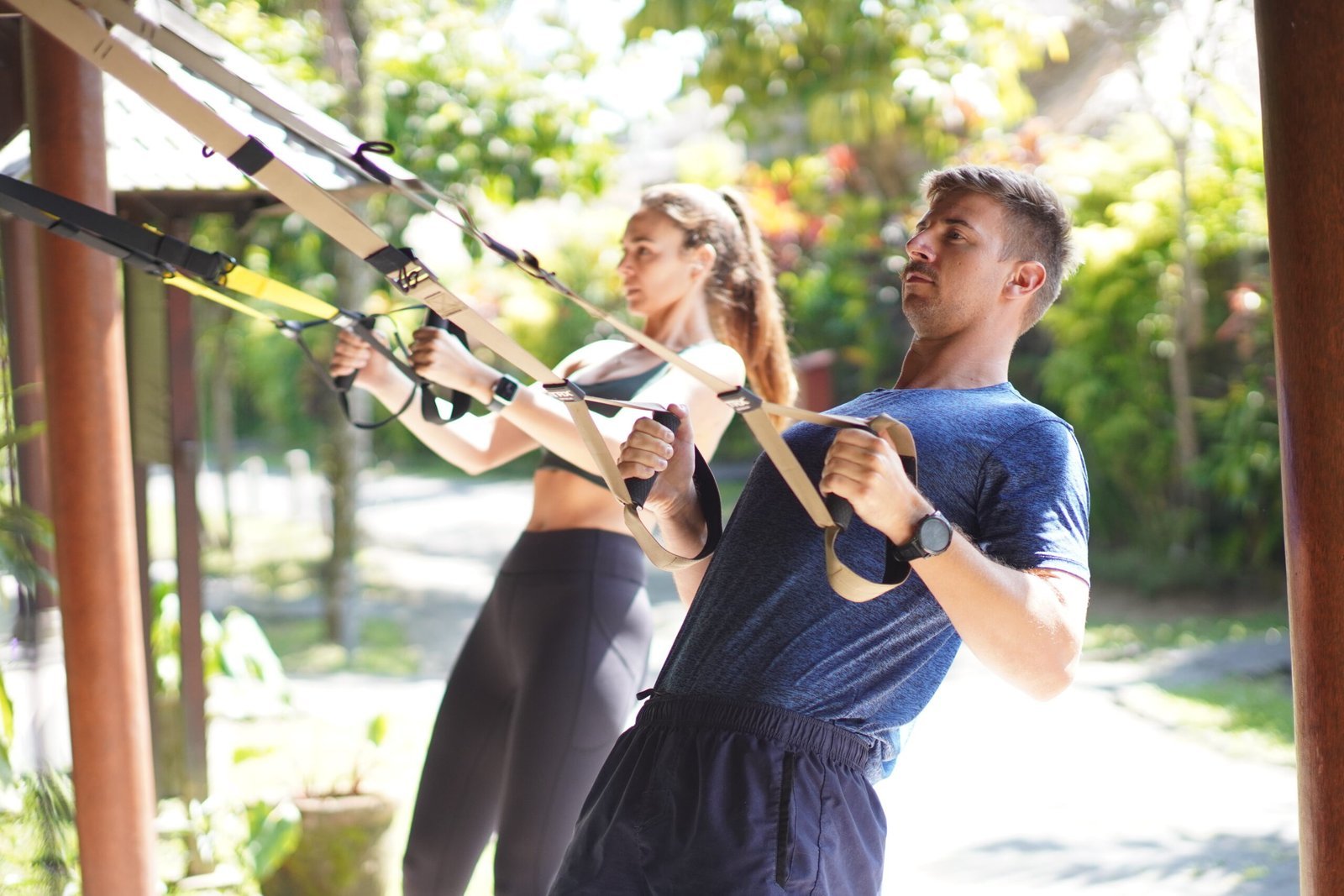
TRX uses adjustable straps, letting you work against your own body weight. You can easily adjust the difficulty by changing your body’s angle to the ground, making the workout as easy or challenging as you like.

●  Multiple Benefits

Not just strength, this exercise also improves your health, mobility, and cardiovascular endurance. The movements are designed to engage your core, which is a big plus for balance and overall stability.

●  Low-impact

If you’re worried about joint stress, this suspension training is a great option. Using your body weight for resistance is easier on the joints, making it suitable for people at different fitness levels or those recovering from injuries.

●  Adaptability

The straps can be attached to various anchor points like a wall, door, or even a tree. This means you can take your workout anywhere—perfect for those who are always on the go or prefer exercising outdoors.

Ubud, The Perfect Backdrop for Your Fitness and Self-Care Journey

If you’re looking for a place that offers more than just a physical workout, this town is where you need to be. Here are four reasons why:

●  Peaceful Vibes Everywhere

You’re surrounded by jungles, rice fields, and misty mountains that look like they’re straight out of a painting. Imagine doing your yoga poses with that view! Plus, the place is quiet, so you can really focus on yourself. Many retreats even throw in a free tour of the rice fields. It’s the ultimate spot to unwind and get in tune with your inner self.

●  Spiritual Connection

Bali is already a spiritual hotspot, but Ubud takes it to another level. The local culture is deeply rooted in spirituality and meditation. You’ll see tiny offerings to gods everywhere you go.

Many retreats also include traditional ceremonies at ancient temples. You’ll learn how to make offerings, get blessings, and really immerse yourself in the local spiritual scene.

●  Wellness Galore

The name ‘Ubud‘ actually means ‘medicine’ in Balinese. So, it’s no surprise that the place is a wellness hub. You can try everything from meditation to fitness activities. These various active wellness retreats mean you’ll leave feeling refreshed and rejuvenated.

●  Eat Well, Feel Well

The food is also excellent and healthy. The local chefs are all about using fresh, organic ingredients. There are loads of vegan and vegetarian options, too. So not only will you be doing good for your soul, but you’ll also be nourishing your body with top-notch food.

Get Your Active Wellness Retreats with OneFitWellness Bali

If you’re thinking about getting fit and taking your active wellness journey up a notch, consider OneFitWellness Bali. We offer a variety of workouts in this 7-Day Pure Active Fitness package, so you’re not stuck doing the same routine.

OneFitWellness Bali activities are flexible. Whether you’re an early bird or a night owl, you can always find a slot that fits into your schedule. Don’t stress about the cost because we have different pricing options to suit various budgets.

The setting is also something to talk about, with an open concept Yoga and TRX studio surrounded by the town’s natural beauty. If this sounds like something you’d be into, give it a look and start planning your wellness holiday.

Ashtanga: The 8 Limbs of Yoga

How the 8 Limbs of Yoga Can Be Your Guide to a Balanced Life

Yoga often conjures thoughts of only flexibility and physical poses. Yet, there’s so much more to it. It’s fundamentally about connecting with your true self, especially for Ashtanga Yoga, as it’s a way to improve one’s lifestyle.

This ancient practice offers a holistic approach to well-being that’s deeply rooted in philosophy. It’s based on an eightfold path that targets your body, mind, and soul. The purpose is to help you find a sense of balance and peace that’s often missing in our hectic modern lives.

What is Ashtanga Yoga?

It’s a structured form of yoga that’s all about synchronizing your breath with your movements. It’s a practice that involves a series of poses, but it also incorporates ethical principles, self-discipline, and elements of meditation.

Ashtanga has ancient origins, going back thousands of years. The term itself means “eight limbs” in Sanskrit.

This practice was first outlined in a text called the Yoga Sutras, penned by a sage named Patanjali. These are well-thought-out one of life’s guidelines that have stood the test of time.

The 8 Limbs of Yoga and Their Significance

These are like the building blocks of Ashtanga, each one offering its own set of guidelines for a balanced life.

●  Yamas: Ethical Standards

Yamas are basically ethical standards or moral imperatives. These are the principles that guide how you interact with the world around you.

○  Ahimsa (Non-violence)

This one’s about kindness and compassion, not just toward others but also toward yourself. It’s the idea that harm isn’t the way to go.

○  Satya (Truthfulness)

Be honest, not just with others but also with yourself. Satya wants you to speak your truth and recognize the truth in others.

○  Asteya (Non-stealing)

This isn’t just about not taking someone’s stuff. It’s also about not taking someone’s time or energy without permission.

○  Brahmacharya (Mod­eration)

This one’s about not overdoing it, whether it’s eating, working, or exercising. You have to find a balance in all things.

○  Aparigraha (Non-attachment)

Do not cling to things, people, or outcomes. Aparigraha is the idea that holding on too tightly can actually cause more harm than good.

●  Niyamas: Self-discipline

Think of these as the things you do when no one’s watching, the habits and routines that make you, well, you.

○  Saucha (Cleanliness)

Not just about keeping your space tidy, it’s also about mental and emotional cleanliness—keeping your thoughts and feelings in check.

○  Santosha (Contentment)

Being okay with what you have and where you are, that’s what Santosha is. It’s not about complacency but appreciating the good in your life.

○  Tapas (Discipline)

This is about the fire or passion you bring to your daily life. It’s what gets you up in the morning and keeps you going.

○  Svadhyaya (Self-study)

Reflect on yourself, your actions, and your life. Svadhyaya means learning from your experiences and growing as a person.

○  Ishvara Pranidhana (Surrender to a higher power)

Ishvara Pranidhana wants you to let go of the ego and acknowledge that there’s something bigger than yourself.

●  Asana: Physical Postures

The Asanas are performed in a specific sequence, and each pose is designed to serve a particular purpose.

○  Forward Bends

These poses help to calm the mind and stretch the spine. They teach you to learn to focus inward.

○  Backbends

These are energizing poses that open up the chest and improve your posture. They help you breathe better and feel more alive.

○  Twists

Twist poses are all about detoxifying. They help to improve digestion and refresh your internal organs.

○  Balancing Poses

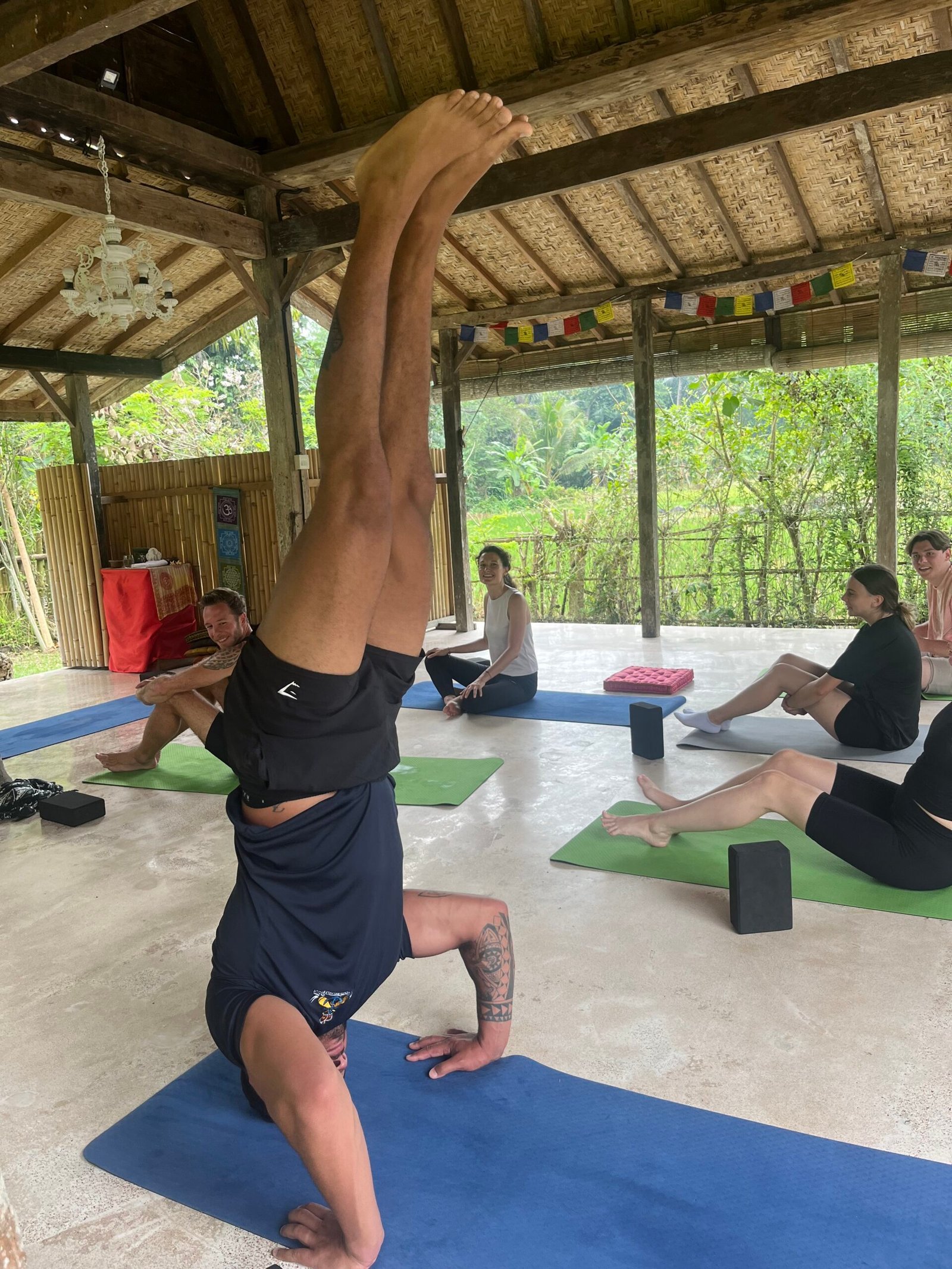
Balancing poses teach you to be present and concentrated, which are skills you can take off the mat and into your daily life.

●  Pranayama: Breath Control

If you think about it, the way you breathe can say a lot about your state of mind. Short, shallow breaths usually mean you’re stressed, while deep, slow breaths are a sign of relaxation.

Pranayama aims to make you more aware of your breath so that you can use it as a tool for better health and well-being.

○  Ujjayi Breath

This is the most commonly used breathing technique. It’s a diaphragmatic breath, which means you breathe deep into your lungs.

The unique thing here is that you slightly constrict the back of your throat, creating a sound like the ocean when you breathe. This helps to focus your mind and generate heat in your body.

○  Nadi Shodhana

Also known as alternate nostril breathing, Nadi Shodhana is great for calming the mind and balancing out the two hemispheres of your brain.

You basically take turns breathing out of each nostril, which might sound weird but is incredibly calming.

○  Kapalabhati

Kapalabhati is a more advanced technique that involves short, forceful exhales and passive inhales. It’s great for clearing out your respiratory system and boosting your energy, but it’s not recommended for beginners.

●  Pratyahara: Sense Withdrawal

Before you start thinking this is some sort of sensory deprivation thing, let’s clarify. Pratyahara teaches you to gain mastery over your senses so you can focus inward.

In today’s world, we’re constantly bombarded with stimuli—sounds, sights, smells, you name it. Pratyahara trains you to tune out the noise and tune into yourself.

○  Selective Attention

One aspect of Pratyahara is learning to choose what you pay attention to, like being able to focus solely on the conversation you’re having.

○  Inner Awareness

Instead of getting lost in external distractions, you learn to pay attention to your internal state—your thoughts, your feelings, your breath.

○  Mindfulness

This is a big one. Pratyahara helps you become more mindful of the present moment. You don’t ignore your senses but do not let them control you.

●  Dharana: Concentration

This isn’t the kind of concentration you use to ace a test or finish a project at work, although it can certainly help with those things. Dharana is about sustained, focused attention, usually on a single point, like your breath.

○  Single-Pointed Focus

The key to Dharana is learning to focus on one thing and one thing only. This might sound simple, but it’s incredibly challenging, especially in a world filled with distractions.

○  Mental Stillness

When you practice Dharana, you’re aiming for a state of mental stillness. So, there’s no room for distractions.

○  Preparation for Meditation

Dharana is often seen as a stepping stone to deeper states of meditation. Once you can maintain your focus for extended periods, you’re ready to move on to Dhyana, which is the practice of sustained focus without effort.

○  Practical Applications

Beyond the mat, the skills you develop through Dharana can be incredibly useful. Whether it’s staying focused in a meeting or not losing your cool in a stressful situation, the ability to concentrate is a valuable life skill.

●  Dhyana: Meditation

Dhyana takes meditation to another level because you can reach a state of focused awareness that’s free from distractions.

○  Sustained Focus

Unlike Dharana, where the focus is intense but requires effort, Dhyana is effortless focus. It’s like being in “the zone,” where you’re fully engaged but not straining to maintain it.

○  Heightened Awareness

You become more aware of your thoughts and feelings but without getting attached to them.

○  Inner Peace

One of the most significant benefits of Dhyana is a sense of inner peace and calm. You don’t escape reality but about facing it with a clear, focused mind.

●  Samadhi: Enlightenment

Samadhi means reaching a state of ultimate consciousness where you’re at one with the universe. It’s a state of deep spiritual insight and peace.

○  Unity of Mind

In Samadhi, the sense of self dissolves, and what remains is a state of unity. You’re not focused on your ego or your individuality; you’re simply existing in a state of pure consciousness.

○  Transcendence

You transcend the limitations of the physical world and the mind, entering a state that’s hard to put into words because it’s beyond conceptual understanding.

○  Liberation

One of the ultimate goals of Samadhi is liberation or freedom from the cycle of birth and death, also known as Samsara in Hindu philosophy.

How to Practice and Apply Them in Your Life?

Start with small, manageable actions. Yamas and Niyamas serve as ethical guidelines; for example, choose kind words in a heated discussion or keep a gratitude journal.

Incorporate Asana through simple stretches during work breaks and use Pranayama breathing techniques to manage stress in traffic.

Employ Pratyahara by muting distractions when focusing on a task. Use idle moments for Dharana and Dhyana, like concentrating on your breath while waiting.

Curious about the Third Limb, Asana? Find Out More in OneFitWellness Bali’s Wellness Retreats

If Asana, the third limb of Ashtanga, has caught your interest, OneFitWellness Bali offers a focused and serene environment for your practice. Situated amid rice paddy fields, the Yoga Shala provides a quiet space for exploration and many other things.

●  Range of Classes

The studio offers a diverse range of sessions, we’ve got something for everyone from Yoga for Beginners to Vinyasa Flow. The daily schedule is designed to accommodate various skill levels.

●  Holistic Approach

Beyond just the physical postures, each class integrates breathing and mindfulness techniques, aiming for a well-rounded and holistic experience.

●  Natural Setting

The studio’s location allows for a unique connection with nature, subtly enhancing the quality of your practice.

●  Focus on Tranquility

The serene surroundings and expert guidance help you rediscover your inner peace, making each session more than just a physical workout but also deeply introspective.

If you’re looking to deepen your understanding and practice of Asana, OneFitWellness Bali provides a conducive environment for it. More than just a space for philosophy yoga, the studio lets you genuinely engage with the practice and find a measure of inner peace.

Karma Yoga and Philosophy: A Modern Guide to Ancient Wellness

Do you ever know that feeling when your days start to feel like a never-ending to-do list? You’re ticking off tasks but somehow missing out on the actual living part. If you’re nodding your head, then Karma Yoga might just be what you’re missing.

Forget the idea that it is all about twisting yourself into a pretzel. This philosophical meditation is about turning the mundane into the meaningful, making your every action a step toward a better you. It’s the practice of doing, of living, and of growing. Ready to find out more?

Karma Yoga: What’s It All About?

This practice has been around for a long time. Originating from ancient India, it has its roots in ancient texts like the Bhagavad Gita, where it’s presented as one of the paths to spiritual enlightenment and personal growth.


It’s been a part of Indian culture for centuries, but its principles are universal and have been embraced worldwide. The practice is deeply rooted in the concept of “dharma,” or duty. But this isn’t duty in the way you might think, like chores or obligations. This is about a higher calling, a sense of purpose that goes beyond the self.

The core of this practice is about selfless action, doing your duty without expecting anything in return. You’re not looking for rewards, praise, or even a thank-you. You’re doing it simply because it’s the right thing to do.

What Makes It Unique?

It boils down to four fundamental principles that make this practice a true standout. What’s more, you can do it at your job, at home, or even while you’re out running errands.

● Selfless Action

This is the foundation of Karma Yoga. The idea is to act without expecting anything in return. Imagine doing your job, helping a friend, or even taking out the trash without thinking about what you’ll get out of it.

Thus, you can find freedom in letting go of outcomes. When you act selflessly, you’re not weighed down by stress or disappointment. You do your best, and that’s it. Simple but transformative.

● Discipline

This practice is not a one-off thing you do when you feel like it. You incorporate it into your routine and create a sustainable practice that enriches your mental and physical health. This discipline helps you stay committed to your actions and duties.

● Detachment

Detachment is all about emotional freedom. You will learn to detach yourself from the results of your actions. You’re not indifferent but not emotionally tied to the outcome. Think about it like this: you give your all to a project at work. Whether it succeeds or fails, you remain balanced. Your self-worth isn’t tied to the result.

● Devotion

Now, this doesn’t necessarily mean religious devotion, although it can if that’s your thing. In Karma Yoga, devotion means dedicating your actions to something greater than yourself.

It could be a cause, a belief, or even your own journey toward becoming a better person. This sense of devotion adds a layer of meaning to your actions, making even the most mundane tasks feel purposeful.

How to Get Started and Make It Your Daily Habit

Karma Yoga – active meditation awareness is not as complicated as you might think. There is a step-by-step guide to help you get going. Here is the list to do!

● Identify Your Duties

First, you’ve got to know what your responsibilities are. These could be tasks at work, chores at home, or even social/personal commitments. Write them down if you have to. The point is to be clear about what you’re supposed to be doing in your life with full awareness and intention.

● Practice Detachment

The next step is to detach yourself from the outcomes. Again, it doesn’t mean you don’t care about doing a good job, but you’re not emotionally invested in the results. You do your best, and then you let it go.

This can be a huge stress reliever that will benefit your mental dan physical health because you’re not constantly worrying about what will happen next.

● Be Consistent

Make it a part of your routine. You can start your day with a moment of mindfulness where you remind yourself of your duties and commit to performing them selflessly. Or Perhaps you end your day with a reflection on how well you practiced detachment.

● Reflect and Adjust

This is the part where you check in with yourself. How are you doing? Are you finding it easier to act without expectations? Are you less stressed about outcomes? If yes, great! Keep going. If not, that’s okay too. Take some time to think about what’s working and what’s not, and make some adjustments.

Why Karma Yoga and Wellness Retreats Go Hand in Hand

The goal of a retreat is often to detox your body and de-stress your mind. This practice fits right into this by teaching you how to detach from the outcomes of your actions. Imagine going through your day, doing your tasks, but without the stress of worrying about what’s going to happen next.

This is why active meditation, awareness from moment to moment brings to the table. It’s like stress relief on steroids because it’s not just about feeling good for a few days but changing your mindset for the long haul. Thus, it contributes to your personal growth.

Now, let’s talk about mindfulness. This practice takes mindfulness out of the meditation room and integrates it into your everyday schedule. You become mindful in your actions, in your duties, and even in your relationships. It’s a way to make that zen feeling you get at a retreat last long after you’ve packed up and gone home.

Experience Karma Yoga Like Never Before with OneFitWellness Bali

What better way to fully immerse yourself in this transformative philosophy than by participating in a retreat in a place as beautiful as Bali? It’s an opportunity to step back from the daily commotion and gain practical insights that you can carry long after the retreat is over.

OneFitWellness Bali has your needs in mind and provides an enriching experience that goes beyond the mat. Our 7-day Pure Yoga Wellness retreat is an educational journey to learn about karma lessons in a way that adds depth and breadth to your understanding of life.

Additionally, you will have the opportunity to explore nearby villages, soaking in the local culture. It’s a balanced blend of learning and living, all set against the backdrop of Bali’s serene landscapes. Feel free to take a closer look because it might just be the experience you didn’t know you were looking for!

Why Bali Wellness Retreats are the Vacation You Didn’t Know You Needed

“…The Vacation You Didn’t Know You Needed”

Are you feeling drained, both mentally and physically? Perhaps you’re yearning for a transformative escape but need to figure out where to start. What if a place was designed to do just that—where you could hit the reset button on your mental and physical health?

Look no further than Bali—a place that offers more than just a break from your daily grind. It’s a sanctuary to rejuvenate your mind, body, and spirit. Think of it as a tune-up for your entire being, set in one of the most serene places on Earth.

It’s the kind of break that leaves you both rested and transformed. Every journey detail can be tailored to help you rediscover balance, peace, and a sense of well-being. So, if you’re yearning for a meaningful escape, read on.

Why Your Mental and Physical Health Are Besties

Your mind and body are closely linked, influencing the other significantly. When you’re mentally stressed, your body feels it, too—your muscles tense up, your sleep quality declines, and you might even experience digestive issues. On the flip side, it’s hard to maintain a positive mindset if you’re physically unwell.

Here’s how the two are linked:

  • Physical exercise releases endorphins, which are natural mood lifters. They not only reduce stress but also improve your mental outlook.
  • A balanced diet rich in nutrients can improve brain function, affecting your emotional state.
  • Adequate sleep is crucial for both physical recovery and mental clarity. Lack of sleep can lead to physical ailments and mental health issues like anxiety and depression.

Self-Care Isn’t Selfish, It’s Essential

Caring for oneself is often misunderstood as a luxury or a selfish act, but it’s far from that. It’s a vital part of maintaining a balanced life. It’s easy to forget about your well-being when you’re constantly on the go, juggling work, family, and other responsibilities.

However, this situation can lead to burnout, which has a ripple effect on your comfort and those around you. You can’t perform at your best when you’re stressed and burnt out. You might also become short-tempered, which can strain your relationships with family and friends.

Self-care doesn’t have to be complicated. Simple activities like reading a book or walking can clear your mind and improve your mood. Taking a break to do something you enjoy can lower stress levels, offering a way to reset and refresh your mind.

Moreover, exercising and taking proper nutrition directly benefit your body by boosting your immune system and improving your heart condition. So, caring for yourself isn’t a luxury but necessary to keep you in good shape to handle life’s challenges more effectively.

Nature is Your Chill Pill, but Why Bali?

Comprehensive research has shown that a vacation in a tropical setting can drastically reduce stress levels and improve your overall mood. But when choosing the perfect destination for a meaningful retreat, this spiritual land stands out for several compelling reasons.

Peaceful Natural Setting

Bali is a paradise for nature lovers. From its stunning mountains to its lush jungles and scenic rice terraces, the island offers a variety of landscapes that serve as the perfect backdrop for relaxation and self-discovery.

The tranquility of the natural environment allows you to disconnect from the hustle and bustle of daily life, providing a serene setting conducive to mental and physical well-being.

All-Encompassing Wellness Approaches

This Land of Beauty is not just about the scenery but also a hub for holistic wellness. The island offers a range of healing practices that go beyond the conventional. From meditation to Ayurvedic treatments and sound therapy, Bali provides a complete wellness experience that addresses your physical, mental, and emotional state.

Nourishing Cuisine

One of the highlights of any trip to Bali is the food. The island’s cuisine is rich in fresh fruits, vegetables, and locally sourced delicious and nutritious ingredients. Meals often include a variety of herbs and spices known for their benefits, making it a nourishing experience for both the body and the soul.

Engaging Cultural Experience

This sanctuary also provides a rich cultural experience. The island is home to a unique form of Hinduism, and the local customs and traditions are deeply rooted in a philosophy that promotes balance and harmony with nature.

Participating in local ceremonies or visiting ancient temples can add a layer of depth to your trip, making it not just a vacation but a journey of cultural discovery.

Welcomingly Inclusive Community

The people of Bali are known for their warmth and hospitality. The local community is incredibly welcoming, immediately making visitors feel at home. This sense of belonging and inclusivity enhances the overall experience, making your trip enjoyable and emotionally enriching.

What Bali Wellness Retreats Really Look Like

When you think of a retreat, you might imagine a simple vacation with spa treatments. However, it’s so much more than that. These retreats offer a comprehensive experience to rejuvenate you from the inside out.

Your day might start with a morning yoga session surrounded by mesmerizing paddy fields, helping you connect with nature and setting a peaceful tone. After that, you could enjoy a breakfast filled with fresh, locally sourced ingredients that taste great and nourish your body.

The activities don’t stop there. You might find yourself in a meditation session to help you focus and reduce stress. Or perhaps you’ll opt for a Balinese massage combining gentle stretches, acupressure, and aromatherapy to relax your muscles and improve blood flow.

Some retreats even offer workshops on traditional dancing and making sacred offerings (Canang Sari). Also, some retreats provide personalized programs tailored to meet your specific needs, whether you’re looking to improve your mental stability, focus on physical fitness, or achieve a balance of both.

The goal is to offer a holistic experience that addresses all aspects of well-being, ensuring you feel refreshed, revitalized, and ready to tackle whatever comes your way.

If you’re ready to take the next step in your wellness journey, why not consider OneFitWellness Bali? With our personalized programs and holistic approach, we aim to provide you with a transformative experience that goes beyond the typical vacation.

From sunrise yoga sessions to nourishing meals and enriching workshops, we have all the elements to help you achieve a balanced and fulfilling life. So, think beyond the usual tourist spots when planning your next getaway. Choose a destination that offers relaxation and a path to lasting well-being. Choose OneFitWellness Bali.

Wellness Tools Selection

Gentle companions to your journey—always explorations, never medical advice.

These tools are designed for curiosity and reflection,offering simple ways to pause,notice, and reconnect. They are not diagnostic or therapeutic tools.

4-7-8 Breathing

A powerful, simple breathing technique renowned for its ability to quickly calm the nervous system. Master the 4-7-8 count to reduce anxiety, combat stress, and prepare your body for a deep, restful sleep.

Box Breathing

Also known as square breathing, this technique is a cornerstone of mindfulness for achieving balance and focus. Its simple four-step rhythm helps regulate breath, reduce anxiety, and sharpen mental clarity.

Alternate Nostril Breathing

A traditional yogic practice to harmonize the body's energy channels. Alternate Nostril Breathing is excellent for reducing stress, calming the mind, and balancing the left and right hemispheres of the brain for improved focus.

Diaphragmatic Breathing

Learn to breathe from your belly with this foundational technique. Diaphragmatic breathing strengthens the diaphragm, significantly reduces stress, and improves oxygen exchange for better lung health and relaxation.

Lion’s Breath

A cathartic practice that powerfully releases facial and chest tension. Lion's Breath is an excellent way to relieve stress, shake off inhibitions, and experience an immediate sense of calm and energetic release.

Panic Attack

A cathartic practice that powerfully releases facial and chest tension. Lion's Breath is an excellent way to relieve stress, shake off inhibitions, and experience an immediate sense of calm and energetic release.

Preparing your breathing exercise...

Enquiry